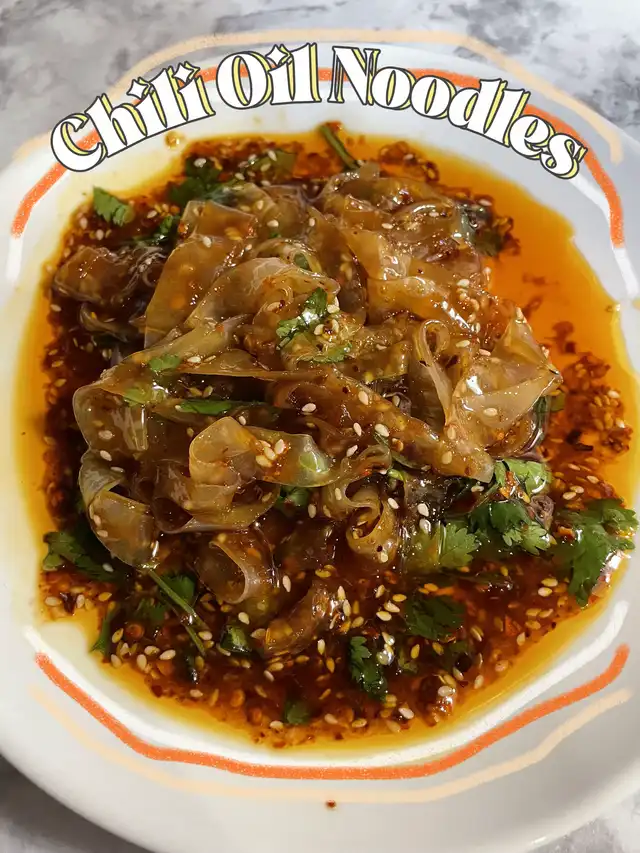
Unleash the Flavor: Your Guide to Oriental Spicy Bok Choy Noodles
There's something universally comforting and undeniably satisfying about a steaming bowl of noodles, especially when it's packed with vibrant vegetables and a sauce that sings with flavor. Imagine a dish that's quick enough for a weeknight but feels gourmet, where you can dictate the precise level of heat and richness. Welcome to the world of oriental spicy bok choy noodles, a culinary canvas ready for your personal touch. This article will guide you through mastering the art of adjusting spice levels and crafting an irresistible umami peanut sauce, transforming simple ingredients into a remarkable meal that your entire family will adore.The Irresistible Allure of Oriental Spicy Bok Choy Noodles
Noodles have a special place in cuisines worldwide, beloved for their versatility and the ease with which they transform into a complete, satisfying meal. Our oriental spicy bok choy noodles recipe epitomizes this appeal, offering a harmonious blend of textures and tastes in a single bowl. From the tender-crisp bok choy to the perfectly cooked noodles, all enrobed in a rich, customizable peanut sauce, this dish is a testament to the power of thoughtful ingredient combination. What makes this particular dish stand out is its inherent flexibility. Don't let the "spicy" in the name deter you; the heat level is entirely within your control. A mere pinch of red pepper flakes can introduce a gentle warmth, while a more generous hand can ignite a fiery kick. The true star, however, is the umami-rich peanut sauce, a flavor powerhouse that stands strong even if you opt for a milder rendition of the dish. Plus, with a total prep and cook time of around 30 minutes, these noodles are your new go-to for a delicious, efficient dinner.Crafting Your Perfect Umami Peanut Sauce
The heart and soul of these oriental spicy bok choy noodles lies in its magnificent peanut sauce. This isn't just any sauce; it's a carefully balanced symphony of sweet, salty, tangy, and rich flavors, designed to coat every strand of noodle and piece of bok choy in pure deliciousness. The foundation of our umami peanut sauce typically includes:- Soy Sauce: Provides the essential salty, savory, and deeply umami base.
- Peanut Butter: Delivers creamy richness, a nutty depth, and body to the sauce. Opt for natural, unsweetened peanut butter for best control over sugar levels.
- Brown Sugar: Adds a touch of sweetness to balance the saltiness and acidity, introducing a subtle caramel note.
- Rice Vinegar: Contributes a bright, tangy acidity that cuts through the richness of the peanut butter, preventing the sauce from being too heavy.
The Art of Balancing Flavors
Each ingredient plays a crucial role in achieving that perfect, harmonious balance. The peanut butter provides a creamy canvas, allowing the bold umami of the soy sauce to shine. Brown sugar introduces a crucial sweetness that rounds out the sharper notes, while rice vinegar adds a zesty counterpoint, brightening the entire profile. Chef's Tip: Elevate your peanut sauce further by experimenting with additions like a drizzle of toasted sesame oil for a fragrant aroma, a squeeze of fresh lime juice for an extra citrusy zing, or a teaspoon of chili garlic sauce for integrated heat and depth. For a truly smooth sauce, you can even whisk in a tablespoon or two of hot water from the noodles to help it emulsify perfectly.Customizing the Heat
The beauty of these spicy bok choy noodles is your complete control over the heat. Red pepper flakes are the classic choice, offering a direct and adjustable kick. Start with a quarter teaspoon and taste, gradually adding more until you reach your desired level of spice. For a different kind of heat, consider:- Fresh Chilies: Thinly sliced bird's eye chilies or serrano peppers can add a fresh, vibrant heat.
- Chili Oil: A drizzle of chili oil (especially one with crispy bits) at the end offers both heat and a delightful textural element.
- Sriracha or Gochujang: These fermented chili pastes add not just heat but also a complex, savory depth to the sauce.
Mastering the Stir-Fry: Techniques for Flavor and Texture
Achieving the perfect stir-fry for your oriental spicy bok choy noodles relies on a few key techniques. Speed, high heat, and proper ingredient preparation are paramount to ensure every component is cooked to perfection. For more in-depth guidance on stir-frying, consider our Perfect Oriental Spicy Pork Bok Choy Noodles Stir-Fry Guide.Bok Choy Prep for Success
Properly preparing your bok choy is essential for its texture and even cooking.- Wash Thoroughly: Bok choy can hold a lot of grit between its stalks. Wash individual leaves or halved bok choy under running water. A salad spinner is invaluable for drying leafy greens efficiently.
- Separate Stems and Leaves: This is a crucial step! Thinly slice the lighter green or white, thicker stem pieces and keep them separate from the darker green, more delicate leafy tops. The stems require a longer cooking time to soften slightly, while the leaves wilt very quickly.
Noodle Nirvana: Al Dente and Beyond
The noodles are the backbone of this dish. Cooking them al dente is key, as they will continue to cook slightly when combined with the hot sauce and other ingredients in the stir-fry. Boil your chosen noodles according to package directions, but aim for a couple of minutes less than suggested.Don't forget to reserve some of that precious noodle cooking water! This starchy water is your secret weapon, helping to emulsify the peanut sauce, prevent the noodles from drying out, and ensuring the sauce clings beautifully to every strand. Rinse the cooked noodles in cold water after draining to stop the cooking process and prevent them from clumping.
When it comes to noodle choice for your oriental spicy bok choy noodles, you have options:- Ramen Noodles: Quick-cooking and springy, often found in instant noodle packets (discard the seasoning packet).
- Lo Mein or Chow Mein Noodles: Thicker, chewier wheat noodles that hold up well to stir-frying.
- Udon Noodles: Thick, chewy wheat noodles, excellent for absorbing sauce.
- Rice Vermicelli or Pad Thai Noodles: Lighter options, typically requiring soaking rather than boiling.
The Stir-Fry Sequence
The stir-fry itself is a quick process, so have all your prepped ingredients ("mise en place") ready before you start.- Heat the Pan: In a large non-stick skillet or wok, heat canola or a neutral oil over medium-high heat until shimmering.
- Cook Protein (if using): If adding pork (as in our Perfect Oriental Spicy Pork Bok Choy Noodles Stir-Fry Guide) or other protein, cook it first until browned and no longer pink. Remove and set aside.
- Aromatics & Stems: Add a splash more oil if needed, then quickly stir-fry minced garlic, grated ginger (if using), and the bok choy stem pieces. Cook until the garlic is fragrant and the stems begin to soften, usually 2-3 minutes. If you're adding paprika, red pepper flakes, or black pepper, add them now to toast slightly and release their aromas.
- Combine & Sauce: Return the cooked protein (if any) to the pan, then add the drained noodles and the delicate bok choy leaves. Pour in your prepared peanut sauce and about half of the reserved noodle cooking water.
- Toss & Serve: Stir continuously, tossing everything together until the noodles are thoroughly coated, heated through, and the bok choy leaves have wilted. If the noodles appear too dry, add more noodle cooking water, a tablespoon at a time, until the sauce reaches your desired consistency.
Elevate Your Oriental Spicy Bok Choy Noodles
While the core recipe for oriental spicy bok choy noodles is fantastic on its own, a few additions can transform it into an even more spectacular meal. For quick, family-friendly variations, check out our Minute Oriental Spicy Bok Choy Noodles: Easy Family Meal article.Protein Power-Ups
Beyond the traditional pork, consider these delicious additions:- Chicken or Beef: Thinly sliced chicken breast or sirloin strips cook quickly and absorb flavors beautifully.
- Shrimp: Adds a delicate seafood flavor and cooks in minutes.
- Tofu or Tempeh: For a vegetarian option, pan-fry or air-fry cubes of firm tofu until golden and crispy before adding to the stir-fry.
Garnishes and Finishing Touches
Garnishes aren't just for show; they add layers of flavor and texture:- Fried Shallots: (as mentioned in the reference) Offer a delightful crispy texture and savory-sweet flavor.
- Crushed Peanuts: Enhance the nutty notes of the sauce and provide a satisfying crunch.
- Fresh Herbs: Chopped cilantro, scallions, or mint can add a fresh, aromatic lift.
- Sesame Seeds: Toasted white or black sesame seeds offer a subtle nutty flavor and visual appeal.
- A Final Drizzle: A swirl of chili oil for extra heat or a touch of dark sesame oil for more depth.
