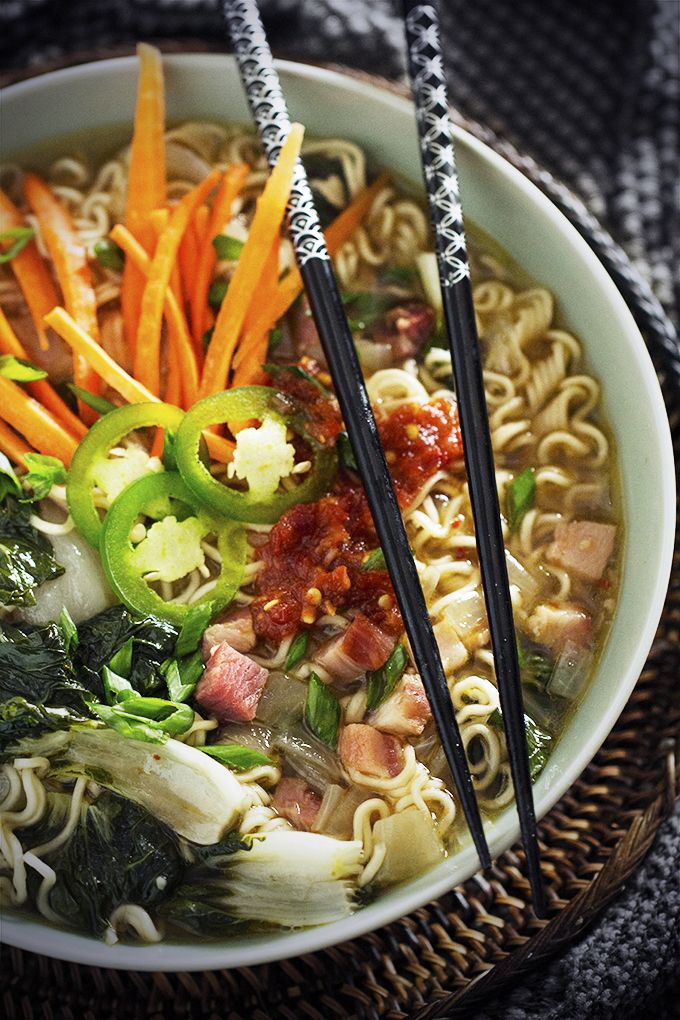
Perfect Your Oriental Spicy Pork Bok Choy Noodles Stir-Fry
Craving a meal that's bursting with flavor, incredibly satisfying, and surprisingly quick to prepare? Look no further than a sizzling plate of
oriental spicy bok choy noodles. This dish embodies the best of Asian-inspired cuisine: a harmonious blend of savory, sweet, spicy, and umami notes, all brought together with tender pork, crisp bok choy, and slurpable noodles. It’s a complete meal in a bowl, perfect for a busy weeknight yet impressive enough for company. Forget takeout – with this comprehensive guide, you’ll master a stir-fry that will become a cherished family favorite in no time. For more tips on whipping up quick, delicious versions of this dish, check out our guide on
Minute Oriental Spicy Bok Choy Noodles: Easy Family Meal.
The Allure of Oriental Spicy Bok Choy Noodles
The beauty of a noodle stir-fry lies in its versatility and speed. What makes this particular combination of pork, bok choy, and noodles so captivating?
*
A Symphony of Textures: From the chewy noodles and succulent pork to the tender-crisp bok choy, every bite offers a delightful textural contrast. The optional crunch of fried shallots takes it to another level.
*
Flavor Depth: The rich peanut sauce, infused with garlic and chili, coats every ingredient, creating an incredibly satisfying flavor profile that hits all the right notes.
*
Nutrient-Packed: Bok choy, a vibrant leafy green, adds essential vitamins and minerals, while lean pork provides protein, making this a balanced and wholesome meal.
*
Quick Preparation: Despite its complex flavors, this dish can be on your table in about 30 minutes, making it an ideal choice for a speedy, homemade dinner.
Choosing the right ingredients is key to success. For the pork, thinly sliced loin, tenderloin, or even a lean cut of shoulder works beautifully for stir-frying. Ensure your pork is sliced against the grain for maximum tenderness. When it comes to bok choy, both baby bok choy and Shanghai bok choy are excellent choices. Look for firm, vibrant green leaves and crisp white (or light green) stems, free from blemishes. As for noodles, egg noodles are a classic choice for this dish, but ramen, udon, or even rice vermicelli can also be used, depending on your preference for chewiness and absorption.
Mastering the Umami-Rich Peanut Sauce
At the heart of these delicious
oriental spicy bok choy noodles is the incredible peanut sauce. It's what transforms simple ingredients into an extraordinary culinary experience. This isn't just a sauce; it's the soul of the dish, providing that irresistible garlicky, umami, and subtly sweet counterpoint to the heat.
The foundational ingredients for this sauce are simple:
*
Soy Sauce: The backbone of savory umami. Opt for a good quality soy sauce, or tamari for a gluten-free option.
*
Peanut Butter: Creamy or crunchy, it provides richness, body, and a comforting nutty flavor. Natural peanut butter with minimal added sugar is often preferred.
*
Brown Sugar: Adds a touch of sweetness to balance the savory and spicy elements, contributing to a caramelized depth.
*
Rice Vinegar: Essential for a tangy counterpoint that brightens the entire sauce and prevents it from being too heavy.
But don't stop there! This sauce is incredibly forgiving and open to customization:
*
Ginger: A small amount of freshly grated ginger adds a pungent, warm zing.
*
Garlic: While garlic is cooked with the stir-fry, a tiny bit minced directly into the sauce can amplify its presence.
*
Sesame Oil: A drizzle of toasted sesame oil offers a wonderfully aromatic, nutty finish.
*
Sriracha or Chili Oil: For those who love extra heat, these can be stirred directly into the sauce or drizzled over the finished dish.
*
Lime Juice: A squeeze of fresh lime juice can add another layer of zesty brightness.
When mixing, simply whisk all sauce ingredients together in a small bowl until smooth. If your peanut butter is very thick, you might need to warm it slightly or add a tablespoon of the reserved noodle cooking water to help it combine seamlessly. The consistency should be thick enough to coat a spoon but pourable. For deeper insights into perfecting your sauce and adjusting the heat to your liking, read our article
Spicy Bok Choy Noodles: Adjust Heat, Master Umami Peanut Sauce.
Step-by-Step Guide to a Perfect Stir-Fry
Creating a spectacular stir-fry hinges on preparation and proper technique. The key to success is having all your ingredients prepped and ready before the heat even goes on – this is known as "mise en place."
1. Prep Your Ingredients
*
Bok Choy: This step is crucial for even cooking. Start by washing the bok choy thoroughly under cold running water, especially between the leaves, to remove any dirt or grit. A salad spinner is excellent for drying. Once clean, thinly slice the bok choy. Separate the thicker, lighter green (or white) stem pieces from the darker green leafy tops. The stems will go into the pan first as they take longer to cook. Set both aside.
*
Pork: Thinly slice your pork against the grain. Pat it dry with paper towels to ensure a good sear.
*
Aromatics: Mince your garlic and have any other spices (paprika, red pepper flakes, black pepper) measured out.
*
Noodles: Prepare your sauce mixture as described above and set it aside.
*
Cooking Water: Have a measuring cup ready to reserve some noodle cooking water.
2. Cook the Noodles
* Bring a large pot of salted water to a rolling boil. Add your chosen noodles and cook according to package directions, but aim for al dente. They will continue to cook slightly during the stir-fry process, so a minute or two less than specified is often perfect.
* Before draining, *very importantly*, reserve about 1/2 to 1 cup of the starchy noodle cooking water. This liquid will be used to adjust the sauce consistency later.
* Drain the noodles and rinse them briefly under cold water to prevent them from sticking together. Set aside.
3. The Stir-Frying Process
* Heat 1-2 tablespoons of canola oil (or another high smoke point oil like grapeseed or peanut oil) in a large non-stick skillet or wok over medium-high heat. The pan should be hot but not smoking excessively.
* Add the sliced pork and cook, stirring frequently, until it is no longer pink and lightly browned. Remove the pork from the pan and set aside.
* Add a tiny bit more oil if needed. Then, add the bok choy stem pieces, minced garlic, paprika, red pepper flakes, and black pepper to the hot pan. Stir-fry for 2-3 minutes until the garlic is fragrant and starting to brown, and the bok choy stems begin to soften. This high heat, quick cooking method helps preserve the bok choy's delicate crunch while allowing it to absorb flavors, a technique similar to those used in Indian-inspired bok choy dishes for maximum flavor and texture.
* Return the cooked pork to the pan. Add the cooked noodles and the leafy bok choy tops. Pour in the prepared sauce mixture and about half of the reserved noodle cooking water.
* Stir-fry vigorously, tossing everything together, until the noodles are thoroughly coated with the sauce, heated through, and the bok choy leaves have just wilted. If the noodles appear too dry or the sauce is too thick, gradually add more of the reserved noodle cooking water, a tablespoon at a time, until the desired consistency is achieved. The starch in the water helps the sauce emulsify and cling to the noodles.
* Remove the pan from the heat. Stir in a generous handful of crispy fried shallots.
4. Serve Immediately
* Divide the
oriental spicy bok choy noodles among four bowls. Garnish with additional fried shallots, a sprinkle of toasted sesame seeds, or sliced green onions for extra flavor and visual appeal. Serve hot and enjoy!
* Leftovers can be stored in an airtight container in the refrigerator for 2-3 days and reheated in a microwave or a non-stick skillet over medium heat.
Tips for Customization & Dietary Needs
One of the great joys of cooking
oriental spicy bok choy noodles is how easily you can adapt the recipe to suit your taste preferences or dietary requirements.
*
Adjusting the Heat: The "spicy" in the title is entirely up to you. You can reduce or omit the red pepper flakes for a milder dish, or amp it up with extra flakes, a dash of sriracha, or even thinly sliced fresh chilies like bird's eye chilies.
*
Protein Alternatives:
*
Chicken or Beef: Thinly sliced chicken breast or thigh, or beef sirloin/flank steak, are excellent substitutes for pork. Cook them similarly until no longer pink.
*
Vegetarian/Vegan: This dish can easily be made vegetarian by omitting the pork. Add pan-fried tofu cubes (extra firm, pressed and cut into cubes) or a medley of mushrooms (shiitake, oyster, cremini) for a hearty protein boost. Ensure your soy sauce is vegan if needed.
*
Adding More Vegetables: Enhance the nutritional content and visual appeal with other quick-cooking vegetables. Sliced bell peppers, shredded carrots, snow peas, snap peas, or even broccoli florets can be added along with the bok choy stems or leaves, depending on their cooking time.
*
Gluten-Free: Use tamari instead of soy sauce and ensure your noodles are certified gluten-free (e.g., rice noodles, certain brands of vermicelli or ramen).
*
Nut-Free: For those with peanut allergies, sunflower seed butter (SunButter) can be a fantastic alternative to peanut butter in the sauce, providing similar creaminess and a nutty flavor profile. Adjust sweetness as needed, as some sunflower butters can be less sweet.
This stir-fry is a testament to how simple ingredients, when combined with thoughtful technique, can create an incredibly flavorful and satisfying meal.
Conclusion
The perfect plate of
oriental spicy bok choy noodles is more than just a meal; it's an experience of vibrant flavors and satisfying textures that comes together with remarkable ease. From the tender pork and crisp bok choy to the rich, umami peanut sauce coating every strand of noodle, this dish proves that incredible home cooking doesn't have to be complicated or time-consuming. By following this guide, you now have the tools to create a restaurant-quality stir-fry right in your own kitchen, customizable to your family's preferences. So, grab your wok, gather your ingredients, and get ready to stir-fry your way to a delicious dinner that everyone will love. Happy cooking!